


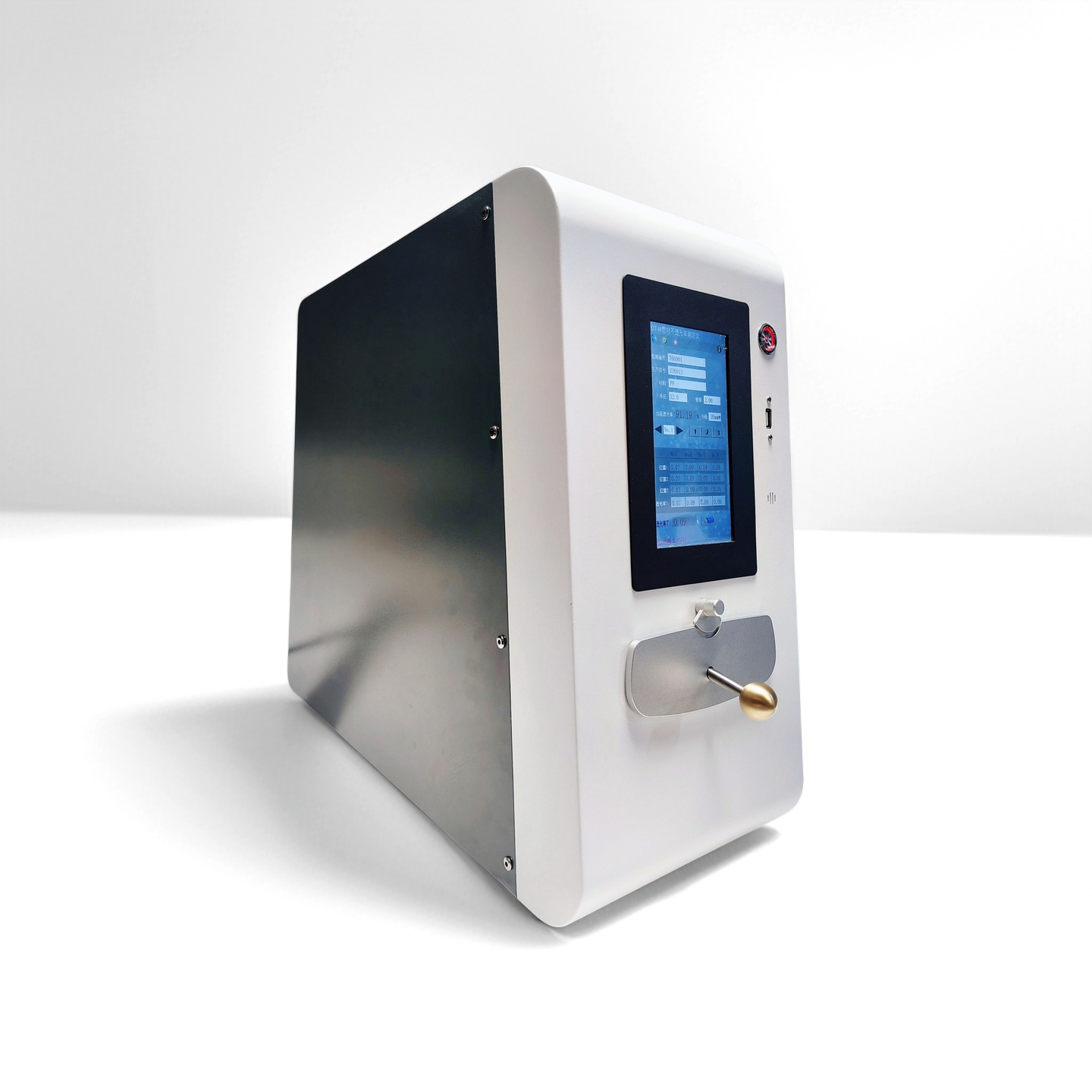
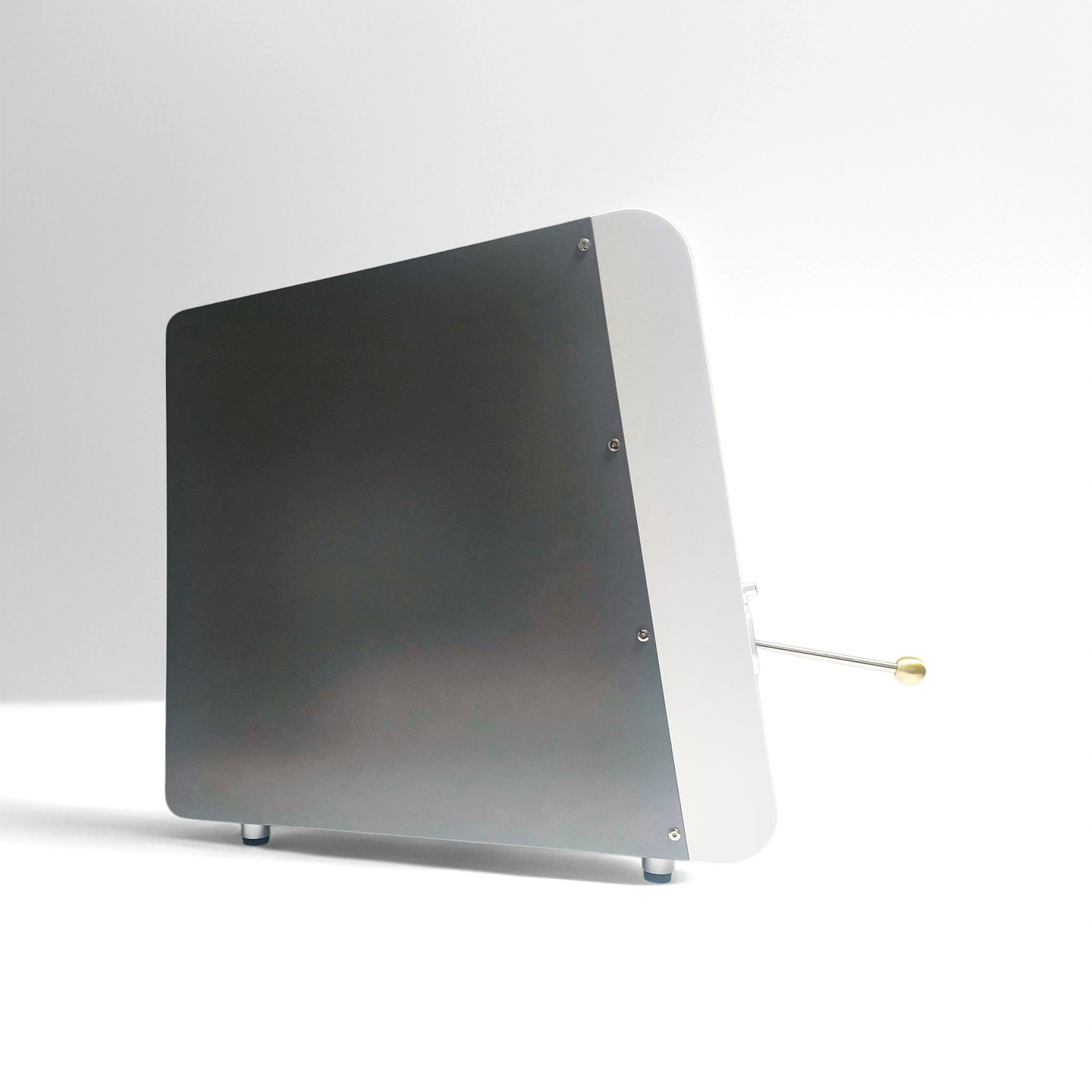
Pipe opacity tester
Model: SL - TG20
Pipe Diameter Range: Φ16 - Φ200 mm and thickness < 20mm
Specimen Length: 80mm
Grating: 16, 20, 25, 32, 40
Specimen Holder: 16, 20, 25, 32, 40
Measurement Points: Three points
Light Wavelength: 540nm - 560nm
Resolution: 0.01%
Accuracy: < 0.05%
Power Supply: 220VAC, 50Hz
Dimensions: 530×245×510mm
Weight: 20 kg
Standards: ISO 7686 Plastics pipes and fittings — Determination of opacity
Instrument Features
Equipped with a high-precision Standard A illuminant (parallel light source), with the spectral wavelength strictly controlled within the range of 540 nm to 560 nm.
The luminous flux acquisition system incorporates an industrial-grade, high-precision photodetector featuring robust anti-interference capability and a 24-bit analog-to-digital conversion circuit, ensuring stable and reliable measurement results with a resolution of 0.01%.
The specimen holder is designed with three positioning points per test specimen and includes an audible prompt function to facilitate correct placement.
Operation and display are managed through a color LCD touch screen, offering an intuitive user interface and clear visualization of measurement data.
Test data can be exported and stored via a USB flash drive, simplifying record-keeping and data traceability.
The specimen compartment features a manual open/close mechanism, which enhances operational convenience and reduces the risk of equipment malfunctions.
| Delivery time | Certificate | Whether customization is accepted | MOQ | Packaging information |
| 30 days | CE | No | 1 unit | 1 pc |
FAQ
Q1: What materials and products can the SL-TG20 test?
A:The instrument is suitable for opacity measurement ofplastic pipes and fittingsmade from PVC, PE, PP, PPR, PB and other thermoplastic materials. It accepts pipe and fitting samples of various diameters and wall thicknesses within the measuring window.
Q2: How is opacity measured and how are results expressed?
A:The SL-TG20 uses avisible-light optical systemto measure the amount of light transmitted through the sample. The on-board computer calculates the opacity value automatically, with resultsexpressed as a percentage (%). Higher opacity means less light transmission and better resistance to algae growth inside pipelines.
Q3: Why is pipe opacity important and how does it prevent algae growth?
A:When visible light penetrates plastic pipes, it can triggerphotosynthesis and algae growthinside the pipeline, especially in water supply systems. High opacity blocks visible light from passing through the pipe wall, effectively inhibiting algal growth and maintaining water quality. This is a critical performance requirement for drinking water pipes and many industrial piping systems.
Q4: How is the instrument calibrated, and how often should calibration be performed?
A:The SL-TG20 featuresbuilt-in optical calibrationvia the touch-screen interface. Users can perform routine calibration with the supplied calibration standards in just a few steps. For routine QC use, we recommend calibration verificationonce per month or before each batch test, and a full factory calibrationonce a year.
Q5: Can test data be exported for quality records and audit purposes?
A:Yes. The SL-TG20 supportsUSB-based data export. Test results — including sample ID, date/time, opacity value, and operator — can be exported to a USB flash drive in standard file format for archiving, quality system documentation, and audit traceability.
Q6: Who is this instrument best suited for?
A:The SL-TG20 is ideal for:
· Plastic pipe & fitting manufacturers— incoming material QC and finished product testing
· Plastic compounding / masterbatch companies— formulation development and quality control
· Third-party testing & QC laboratories— standard-compliant opacity testing services
· Water supply engineering companies— pipe material acceptance inspection
Product Inquiry