


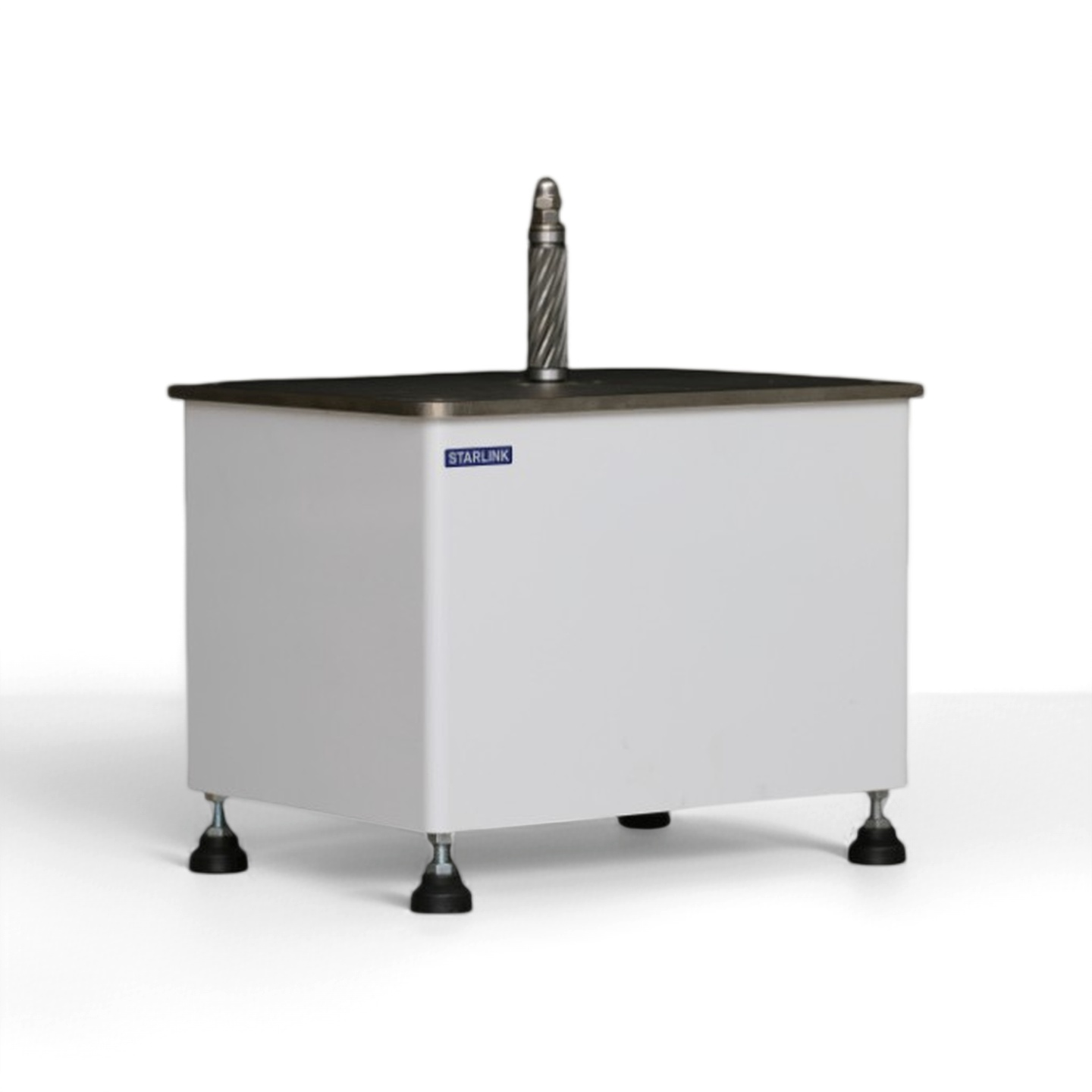
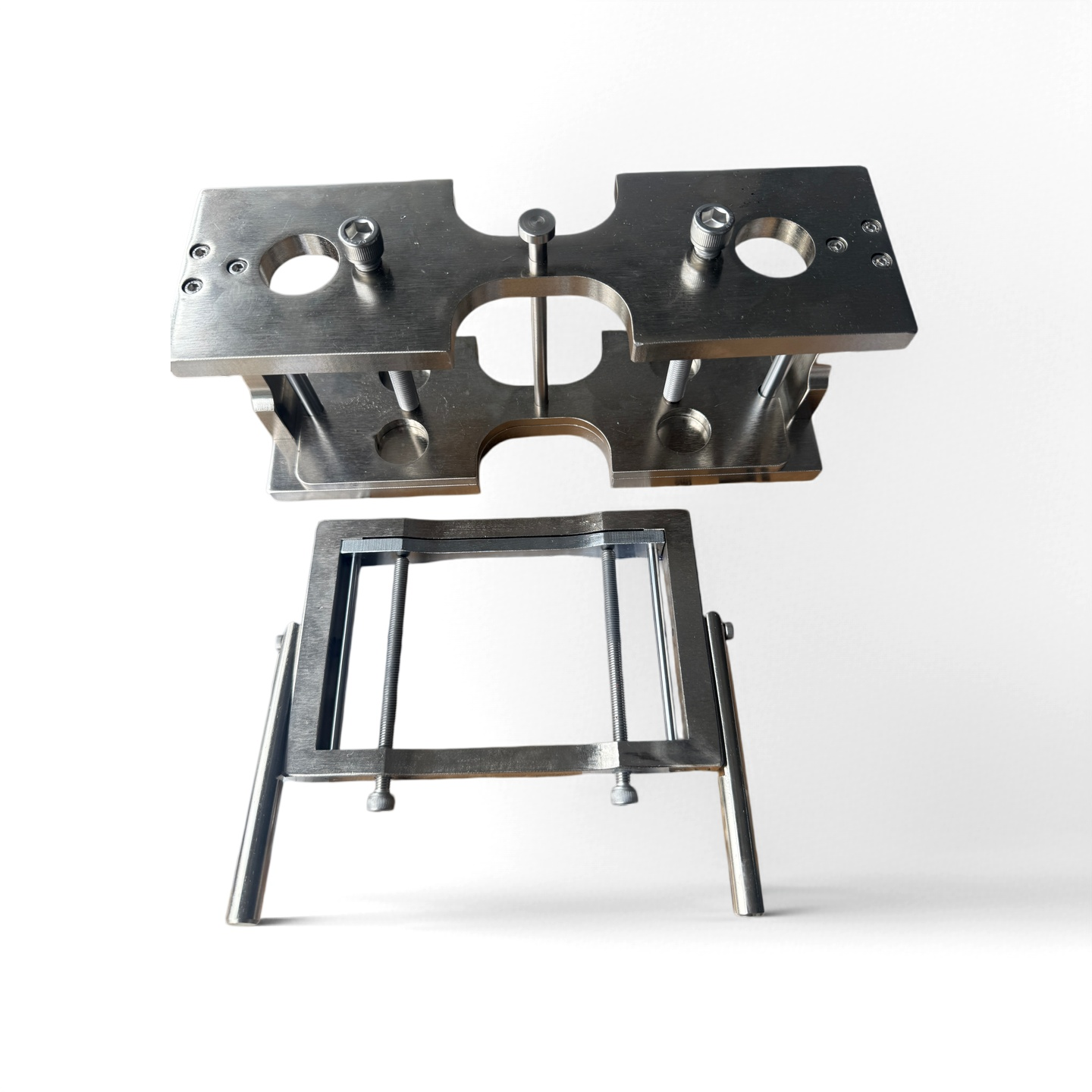
Dumbbell Specimen Maker
Model: SL-YL12/70/100
Sample Thickness: ≤12 /70 /100 mm
Power Supply: (380-15% to 380+10%) VAC, 50 Hz
Dimensions: 400 mm × 400 mm × 350 mm
Weight: 30kg
FAQ – Dumbbell Specimen Maker
Q1: How are non-metallic specimens prepared?
A: Non-metallic test specimens are typically prepared by two methods:
1. Punching / Die Cutting – Suitable for specimens with a thickness ≤ 5 mm. A dumbbell cutter or die is used to stamp out the specimen from sheet material in one operation.
2. Milling with a Dumbbell Specimen Maker – Recommended for specimens with a thickness > 5 mm. The material blank is clamped and milled along a profile template to produce the required specimen shape with precise dimensions.
Q2: What types of profile templates (master templates) are available for a dumbbell specimen maker?
A: Profile templates (also called master templates ) are used to guide the milling cutter and define the final shape of the specimen. They are available in a wide range of types, including:
- Dumbbell-shaped templates – conforming to standards such as GB/T 1040 Type I / II, GB/T 8804.1–3 Type IA / IB / II, ISO 37, ASTM D412, etc.
- Strip / rectangular templates – for tear, shear and flexural test specimens.
- Custom templates – can be manufactured to meet specific customer or standard requirements.
The template is matched to the required test standard; simply swap the template to produce a different specimen shape.
Q3: What precautions should be taken when using a dumbbell specimen maker?
A: Please observe the following to ensure operator safety, equipment longevity and accurate test results:
1. Read the manual before operation and ensure the operator is properly trained.
2. Secure the workpiece – firmly clamp the blank in the fixture along the profile template; do not operate with loose or improperly positioned material.
3. Wear safety glasses and keep hands, hair and loose clothing away from the rotating cutter.
4. Use the dust extraction system – connect a vacuum cleaner to remove milling chips and keep the work area clean.
5. Do not exceed the rated thickness – the maximum specimen thickness is 100 mm; thicker blanks must be pre-machined.
6. Check the cutter condition regularly – a dull or damaged cutter will produce burrs, poor surface finish and inaccurate dimensions.
7. Turn off and unplug the machine before cleaning, changing templates or performing maintenance.
Q4: How should plastic pipe specimens be machined on a dumbbell specimen maker?
A: When machining plastic pipe specimens, follow these guidelines:
- Machine in thin, gradual passes – do not remove too much material in a single pass.
- Avoid excessive heat buildup – heavy cuts generate frictional heat at the cutting surface, which can soften or thermally degrade the plastic and directly affect tensile test results.
- Allow cooling between passes if the specimen becomes warm to the touch.
- Use the appropriate pipe fixture – a dedicated cambered-surface fixture ensures the curved pipe blank is held securely during milling.
Taking light, repeated passes will yield a smooth, burr-free specimen surface and preserve the material's original mechanical properties for reliable test data.
Applications: PE/PPR/PVC/PERT Pipe factory outgoing inspection, scientific research, production R&D, teaching and training, third-party testing centers.
| Delivery time | Certificate | Customization Options | MOQ | Packaging information |
| 7 days | CE | Yes | 1 unit | 460*370*600mm /45 kg |
Product Inquiry